
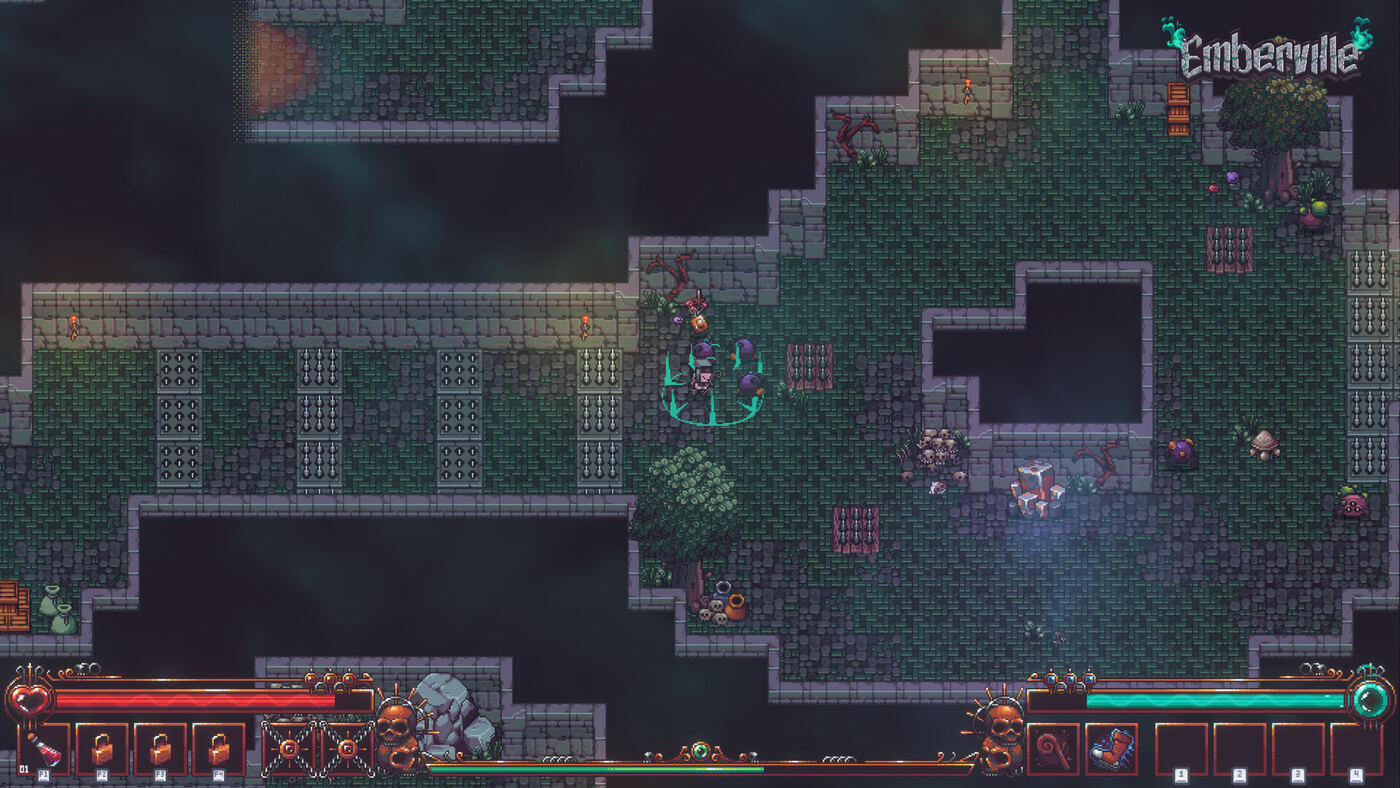
Emberville asks for Windows 10 64-bit, an Intel Core i5 at 3.2 GHz, 8 GB of RAM, a DirectX 11-capable graphics card and 4 GB of SSD storage. Those are the minimum requirements on the Steam page, and they are the only concrete hardware numbers the game has published.
The 4 GB is not a typo, and it is the line worth reading twice. Everything else on that list is a five-year-old mid-range machine. The storage figure is smaller than the install size of most indie games from a decade ago, and smaller than a single modern texture pack.
The minimum, line by line
| Component | Minimum |
|---|---|
| OS | Windows 10, 64-bit |
| Processor | Intel Core i5, 3.2 GHz |
| Memory | 8 GB RAM |
| Graphics | DirectX 10-compatible card |
| DirectX | Version 11 |
| Storage | 4 GB available space, SSD |
Two of those entries need a note. The processor is specified by clock speed rather than by generation, which is unusual and, for once, generous: a 3.2 GHz part from any recent generation meets the line. The graphics entry names DirectX 10 compatibility while the API entry names version 11, and the two do not describe the same class of card.
Why 4 GB of storage is the strange one
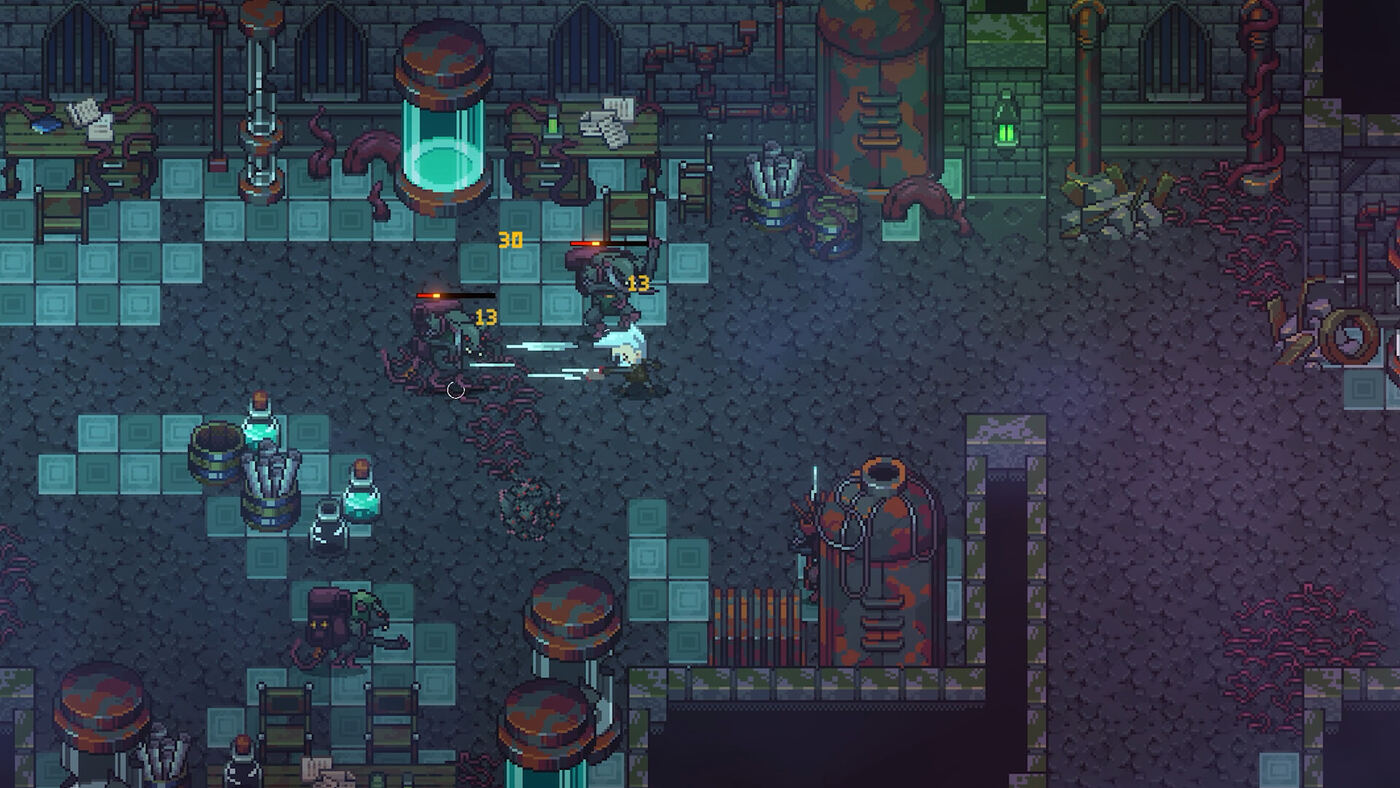
Action RPGs have spent two decades inflating. A full-size entry in the genre routinely reserves tens of gigabytes, most of it pre-rendered cinematics, high-resolution texture sets, voice banks in a dozen languages and duplicated assets packed for streaming. Emberville's entire install is 4 GB, which is roughly the size of one of those voice banks.
The art style explains most of it. Emberville is top-down pixel art: sprites, tilesets, portraits and audio, drawn at a fixed resolution and stored as flat images. There is no volumetric fog, no 4K material set, no mesh library to duplicate. A pixel game can carry a great deal of content in a very small container, and the container here is about the size of a phone photo album.
The scope explains the rest. The Early Access build opens with the first of a planned nine biomes, and the install figure describes that build, not the finished game. As biomes arrive, the folder will grow; nothing about a 4 GB launch build promises a 4 GB game at 1.0.
The practical consequence is that storage stops being a constraint at all. Any machine that can run the game at all has room for it many times over, and an external drive is not part of the conversation. The SSD note is the only storage-side requirement that matters: the game asks to sit on flash rather than on a spinning disk, which is a load-time requirement rather than a space one.
The recommended spec is almost empty
Where most store pages publish a second, higher hardware target, this one publishes a sentence: a 64-bit processor and operating system. No memory figure, no graphics model, no storage number, no clock speed.
Read that as an absence of a second tier rather than a hidden one. There is no published configuration that the game names as its comfortable target, which means the minimum is the only reference point a buyer has — and machines meaningfully above it are being asked to trust that they will simply run better.
For anyone building or buying around this game, that inverts the usual calculation. The question is not "do I clear the recommended spec" but "do I clear the minimum with room to spare", because there is nothing above it to aim at.
DirectX 11 against a DirectX 10 card
The graphics line asks for a card that is DirectX 10-compatible. The API line asks for DirectX 11. Both appear on the same table, and they are not the same requirement: a card can support the DirectX 10 feature set without supporting 11.
In practice the API line is the one to check. DirectX 11 has been the floor for PC releases for over a decade, and any card still receiving driver support meets it. The DirectX 10 wording is best read as the page describing the oldest hardware family the renderer will start on, with 11 as the actual API the build targets.
Controller, cloud saves and the rest of the page
Emberville supports controllers at Early Access launch, for both combat and menus, and the studio has been direct that the implementation is not yet at its own quality bar: no on-screen keyboard, with improvements scheduled for the first month.
Steam Cloud is enabled, so saves follow the account rather than the machine. That matters more than usual for a game built on a save that carries forward: progress from the Next Fest demo moves into Early Access, and cloud saves keep that continuity when you change computers.
What actually decides whether it runs
Ranked by how likely each line is to be the one that fails:
- Memory. 8 GB is the modern floor for Windows itself plus a game. This is the entry most likely to be tight on an older laptop.
- Processor. The 3.2 GHz figure is a single-core clock target, and the part of the build that leans on it is simulation — the town, the residents, the systems running behind the dungeon.
- Graphics. Any DirectX 11 card clears it. This is the least demanding line on the page.
- Storage. 4 GB on an SSD. Effectively free.
The list is short because the game is short on demands: a 64-bit Windows install, a modern dual-core clock, enough memory for Windows and a game to share, any DirectX 11 card, and a corner of an SSD.
Before January 7
Nothing on this list needs buying. A machine built for 1080p gaming in the last several years clears every line with the storage figure to spare, and the 8 GB memory line is the only one worth actually counting.
The rest of the buying decision sits elsewhere: the platform question for anyone hoping for a console version, and the class system for what the machine will be doing once it loads.
Next step
- Emberville PS5 and Console Versions Wait for 1.0No Emberville PS5 build exists yet: Early Access is Windows PC only, with no Mac or Linux version. Console ports are part of the 1.0 plan and carry no date.
- Emberville Classes Swap at Will and Share SkillsEmberville classes can be changed at any time, and passive and active skills carry across them, so a build is a skill set rather than a locked role.
- ClassesEvery class can be swapped mid-run, and skills travel between them.