
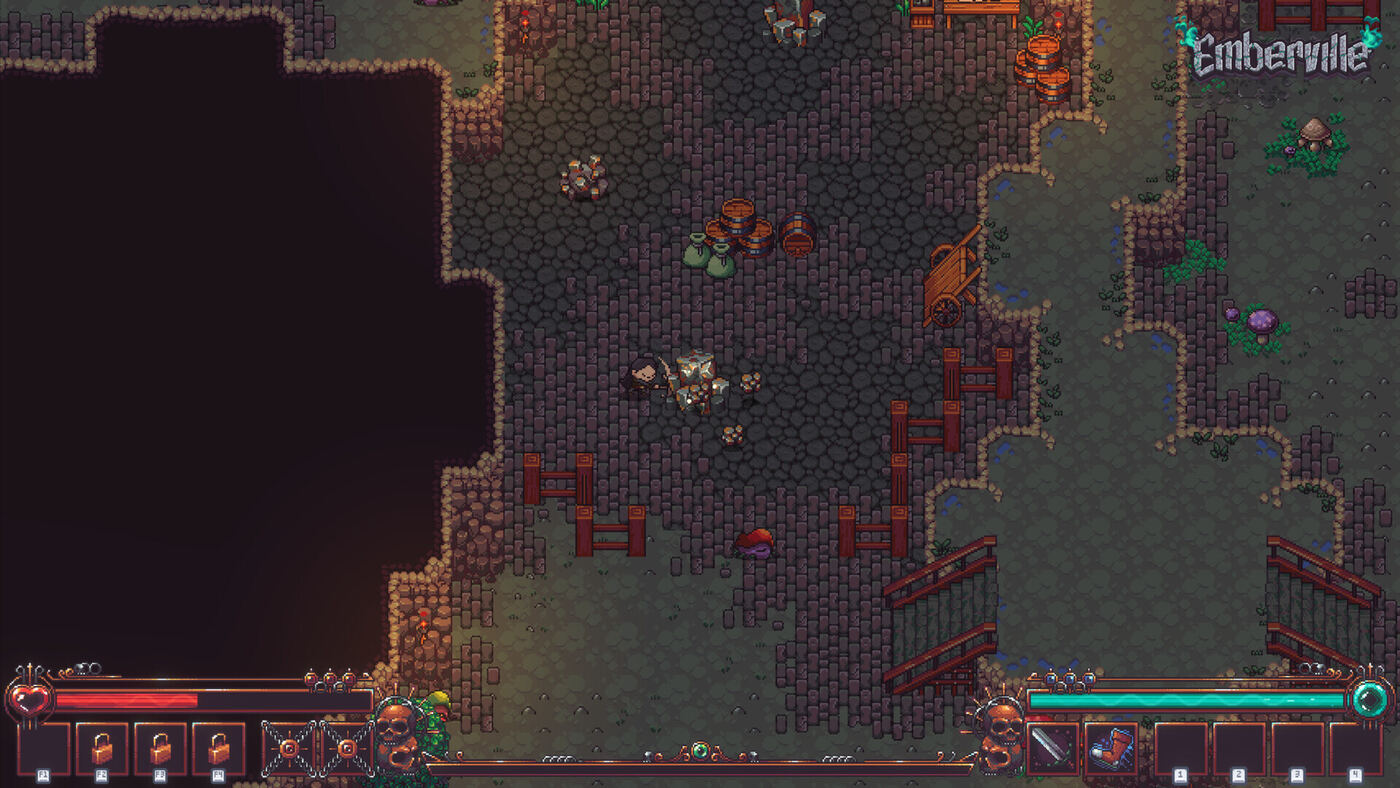
On October 26, 2026, one day before Emberville was due to launch, Cygnus Cross moved Early Access from October 27 to January 7, 2027. The build that was about to ship was finished enough to sell. The team decided it was not finished enough to sell as the first impression of the game, and said so in a single announcement rather than a campaign of hints.
The gap is roughly three months between the date that was cancelled and the date that replaced it — a distance large enough that the reason has to be structural rather than a bug.
What the announcement said
The reasoning is mechanical, and the announcement names the mechanism. Feedback from the Steam Next Fest demo produced a list of improvements the studio wanted in the launch build. Some of those are systems changes, and systems changes cannot be turned around in the days remaining before a date. Reworking bow combat is the example given.
That single example is worth reading closely. Bow combat is not a balance tweak or a bug fix; a rework means new timings, new feel, new interactions with the rest of the combat model. If that was on the list, the list was not going to be finished by October 27.
The alternative was to ship the build as it stood and patch the changes in afterward. The studio rejected it, on the grounds that a launch is the one moment a game gets to be judged on what it is rather than on what it will become.
Why not ship it anyway
Early Access exists precisely so games can launch unfinished. Deferring a date is the conservative move by that logic, and the announcement addresses why it was still the right one.
The distinction the team draws is between content that is missing and systems that are wrong. Missing content is expected in Early Access — the first biome does not even include its final boss at launch, and that boss is scheduled for the first post-launch update. A combat system that does not yet feel correct is different: it sits under everything the player does in the first hour, and no amount of later content fixes the impression it leaves.
That is the argument the announcement makes in one direction only. It does not claim January 7 will be complete. It claims January 7 will be the game the team intended, minus the parts that are openly still coming.
What January 7 is meant to deliver
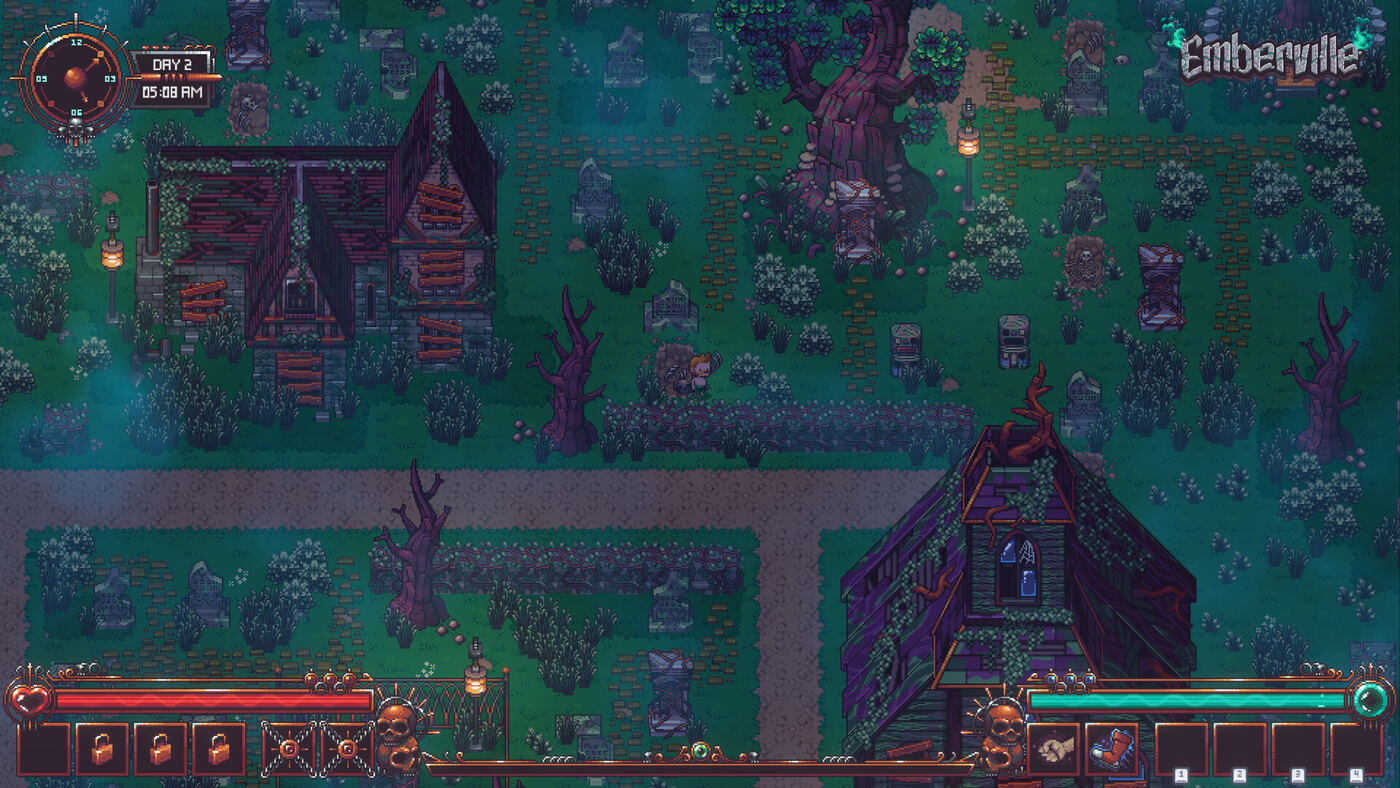
Two sentences in the announcement describe the target rather than the schedule. The goal is an experience that "shows what makes the game distinctive, establishes its core gameplay, and offers a compelling glimpse of how the game will grow."
Read as a checklist, that is a modest brief: identity, a working core loop, and a visible direction. It is also a brief that a delayed build can meet and a rushed one cannot, because the first item depends on the combat feeling right and the second depends on the town and crafting loops being intact rather than half-connected.
The second commitment is about endurance rather than content. Updates will follow "both large and small" for as long as Early Access runs. That phrasing sets the expectation for the months after January: the first biome's final boss, further controller work, additional languages and a roadmap arrive inside the first month, and the rest arrives on no published schedule at all.
The order things happened in
The delay was the last item in a sequence, and the sequence explains why the decision landed when it did.
| Date | Event |
|---|---|
| 2026-10-19 | Steam Next Fest demo goes live, with a preview of the Early Access build |
| 2026-10-22 | Second demo patch, three days later |
| 2026-10-26 | Early Access moved to January 7, 2027 |
| 2027-01-07 | Early Access opens on Windows PC |
The demo is the hinge. It put the Prologue in front of the public three weeks before launch, it collected the feedback the announcement cites, and it ran long enough for two patches to be issued against it. A studio reading reaction to a demo in the final week of a launch campaign is reading it too late to act — unless the date moves.
What the move did not break
Two things survived the change, and both matter more than the date.
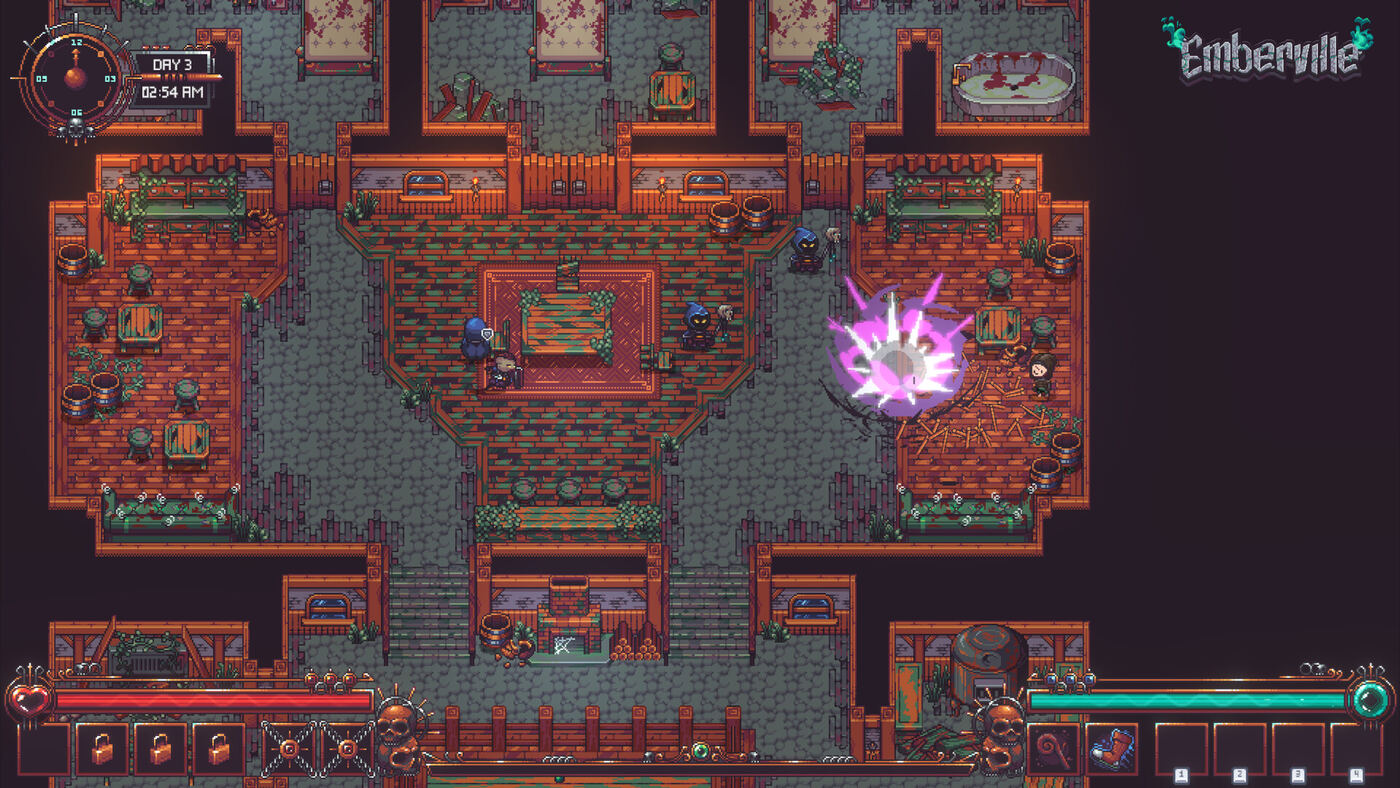
The demo stayed up. It is a separate, free build, and it still runs the Prologue. Progress made in it carries into Early Access, which the studio stated plainly: the save moves across. The one build whose save does not carry over is the Creator and Press Preview, a separate invitation-only version.
The plan for the first month also survived intact: the final boss of Biome 1, more controller work, additional language support, and a published roadmap. Nothing on that list was moved to make room for the delay, because the delay was the room.
What to take from it
A three-month slip announced a day before launch is the kind of event that usually signals trouble. The specific shape of this one argues the opposite. The build was close enough to sell, the remaining work was named, and the reason given — that a combat rework could not be finished in time — is the kind of reason a team gives when it is protecting the thing it is selling rather than hiding it.
The date to hold is January 7, 2027. What that build contains is on the release date page; what arrives after it is on early access. The patches that preceded the announcement belong to the demo, not to the launch build, and the demo is still the cheapest way to see whether the combat the delay was protecting is the combat you want.
Next step
- Emberville Release Date: January 7, 2027 Early AccessEmberville release date is January 7, 2027 in Steam Early Access, after Cygnus Cross pushed the October 27 launch back on the day before it opened.
- Emberville Early Access: Nine Biomes, One at LaunchEmberville early access opens January 7, 2027 with the first of nine biomes, five content blocks on day one, and co-op, mods and consoles held for 1.0.
- Release dateJanuary 7, 2027, what the build contains and what the move cost.